
Choosing among bible dictionaries can make a big difference in how quickly you find reliable background on people, places, and key terms.
Below, we’ve rounded up 10 strong options for students, teachers, pastors, and everyday readers who want clearer Bible study without the guesswork.
Best 10 Bible Dictionaries Picks for 2026
Comprehensive Visual Guide
Holman Illustrated Bible Dictionary
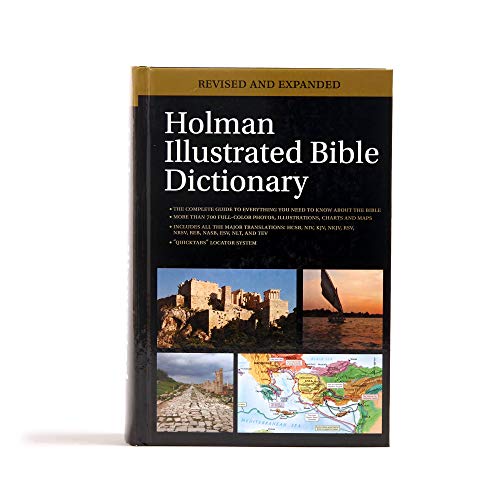
- Over 6,500 articles
- About 700 full-color visuals
- Updated archaeological information
Best For: Bible students, teachers, and pastors who want a clear, visually rich reference
Scholar-Packed Reference

- 1,000+ articles by 139 scholars
- Thousands of cross-references
- Pictures, maps, and illustrations included
Best For: Pastors, Bible study leaders, and readers seeking approachable scholarship
Expanded Visual Classic
Nelson's Illustrated Bible Dictionary

- More than 7,000 entries
- Over 500 full-color visuals
- Pronunciation guides and enlarged type
Best For: Readers who want a comprehensive, easy-to-read illustrated reference
Classic Scholarly Update
The New Unger's Bible Dictionary

- More than 67,000 entries
- Updated by respected Bible authorities
- Essays, maps, charts, and illustrations
Best For: Serious Bible students who want expansive coverage and updated scholarship
Illustrated Reference Pick
Zondervan Illustrated Bible Dictionary

- Over 7,200 entries in one volume
- 75 full-color maps and 500+ images
- Based on NIV with KJV cross-references
Best For: Pastors, teachers, and readers who want a comprehensive visual reference
Portable Beginner Pick

- Quick, accessible definitions for easy study
- Hundreds of maps, photos, and reconstructions
- Compact size for home, class, or group use
Best For: Beginners and groups wanting a portable, easy-to-read reference
Compact Value Pick
Zondervan Compact Bible Dictionary
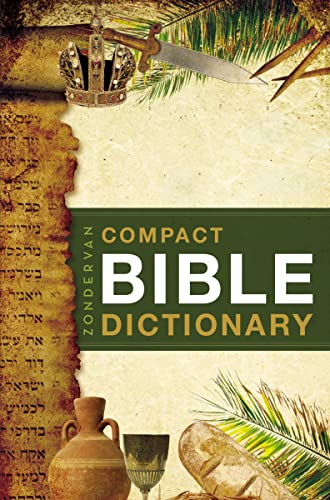
- Over 6,000 A-to-Z entries
- Hundreds of illustrations and maps
- Compact size with conservative scholarship
Best For: Readers who want a small, broad-coverage reference for quick lookups
Comprehensive Bible Study Reference
The New Combined Bible Dictionary and Concordance

- More than 10,000 entries
- Covers names, places, objects, and concepts
- Includes thorough references and a study essay
Best For: Readers who want a large, all-in-one Bible reference for detailed study
Student-Friendly Reference

- Updated edition with expanded information
- Hundreds of concise Bible definitions
- Charts, maps, photos, and illustrations
Best For: Students, teens, and families looking for a clear, easy-to-use Bible reference
Compact Everyday Pick

- Compact, portable format
- 2,500 important Bible entries
- Brief definitions with modern cross references
Best For: Readers who want a small, straightforward Bible reference for regular use
Comprehensive Visual Guide – Holman Illustrated Bible Dictionary
If you want one of the most practical bible dictionaries for everyday study, the Holman Illustrated Bible Dictionary is built to bridge the gap between modern readers and the ancient world of Scripture. With more than 6,500 articles and hundreds of full-color visuals, it offers a clear, accessible way to understand people, places, and themes in context.
Best For: Bible students, teachers, pastors, and lifelong learners who want a clear, visually rich reference for study, teaching, and sermon prep.
Pros:
- Over 6,500 articles covering a wide range of biblical topics
- About 700 full-color photos, maps, reconstructions, and charts
- Concise definitions followed by fuller topic development
- Updated archaeological information helps illuminate the biblical text
Cons:
- Large reference volume may feel more than casual readers need
- Best suited to readers who want depth rather than quick lookups only
Overall, this is a strong all-purpose choice if you want a Bible dictionary that balances clarity, breadth, and visual support. It works well for personal study, classes, and lesson preparation without requiring advanced training.
Scholar-Packed Reference – Tyndale Bible Dictionary
The Tyndale Bible Dictionary is a practical option among bible dictionaries if you want solid scholarship in an approachable format. With more than 1,000 articles written by 139 Bible scholars, plus cross-references and visuals, it is designed to make Scripture background easier to access during study or sermon preparation.
Best For: Pastors, Bible study leaders, and readers who want a scholarly yet approachable single-volume dictionary.
Pros:
- More than 1,000 informative, in-depth articles
- Written by 139 Bible scholars
- Thousands of cross-references for deeper topic study
- Includes pictures, Bible maps, and illustrations
Cons:
- Less visually extensive than some illustrated competitors
- Broad content may feel detailed for readers wanting only quick definitions
In a roundup of Bible reference tools, this edition stands out for its combination of scholarship and accessibility. It is especially useful when you want dependable biblical context that can support teaching, study, or personal reading.
Expanded Visual Classic – Nelson's Illustrated Bible Dictionary
Nelson’s Illustrated Bible Dictionary is a strong fit if you want bible dictionaries with a large number of entries and plenty of visual support. This new and enhanced edition offers more than 7,000 entries, full-color photos, maps, charts, timelines, graphics, and pronunciation guides, making it useful for a wide range of study needs.
Best For: Readers at any level who want a comprehensive, visually enhanced Bible dictionary with easy-to-read formatting.
Pros:
- More than 7,000 up-to-date entries
- Over 500 full-color photographs and other visuals
- Pronunciation guides help with names and terms
- Enlarged type size makes it easier to read
Cons:
- Large hardcover format may be less portable
- Best value is for readers who will use the visuals and breadth regularly
This is a dependable all-around reference if you want a modern, illustrated resource with broad coverage. Its combination of entry count, visuals, and readability makes it especially appealing for steady Bible study use.
Classic Scholarly Update – The New Unger's Bible Dictionary
For readers comparing bible dictionaries, The New Unger’s Bible Dictionary stands out as a long-running classic updated with current scholarship. It includes more than 67,000 entries, along with essays, photography, maps, charts, and illustrations that support serious Bible study across major translations.
Best For: Serious Bible students and reference users who want a classic dictionary with extensive coverage and modern updates.
Pros:
- More than 67,000 entries for very broad coverage
- Updated and expanded by respected Bible authorities
- Includes essays, photography, maps, charts, and illustrations
- Cross-references make it useful with major Bible translations
Cons:
- Heavy emphasis on reference depth may be more than casual readers need
- Based on the NASB, so some users may prefer another primary translation base
This is a strong choice when you want depth, tradition, and updated scholarship in one volume. It is especially valuable for users who need an expansive reference work rather than a lightweight devotional aid.
Illustrated Reference Pick – Zondervan Illustrated Bible Dictionary
If you want bible dictionaries that help you see the world of Scripture as well as read about it, this illustrated volume is built for that job. It combines thousands of entries with maps, charts, photographs, and sidebars to make people, places, events, and themes easier to understand in context.
Best For: Pastors, Sunday school teachers, students, and general Bible readers who want a thorough, visually rich one-volume reference.
Pros:
- Over 7,200 entries with up-to-date scholarship and archaeological findings
- 75 full-color maps plus over 500 full-color photographs, charts, and illustrations
- Strong coverage of historical, geographical, social, theological, and biographical topics
- Based completely on the NIV and cross-referenced to the King James Version
Cons:
- Large 1,584-page format may be more than casual readers need
- Not as portable as smaller compact dictionaries
- Best suited to readers who want a full reference work rather than a quick pocket guide
This is a solid choice if your priority is depth plus visuals in a single volume. It is especially appealing when you want biblical background that helps the text feel more concrete and connected to real history.
Portable Beginner Pick – Ultimate Bible Dictionary
Among bible dictionaries, this one stands out for being compact, approachable, and easy to use during everyday study. It gives quick definitions up front, then expands when needed, while pairing entries with maps, photos, and reconstructions that help explain the biblical world.
Best For: Beginners, homeschoolers, small-group participants, and readers who want a concise yet useful study aid.
Pros:
- Clear, accessible definitions that work well for newcomers to Bible study
- Hundreds of colorful maps, photos, and reconstructions on the same page spread as entries
- Portable hardcover size that is easy to carry and use in groups
- Balances quick reference value with enough detail for deeper learning
Cons:
- At about 512 pages, it is less expansive than larger reference works
- Readers wanting highly technical scholarship may want a more advanced dictionary
- Concise format may not satisfy those who prefer long encyclopedia-style articles
If you want a user-friendly starter reference that still feels substantial, this is a practical pick. It is especially useful when you want fast answers without losing the visual context that helps biblical terms stick.
Compact Value Pick – Zondervan Compact Bible Dictionary
Zondervan Compact Bible Dictionary: A-to-Z Pocket Dictionary with Over 5,000 Entries
Check Price On AmazonIf you need bible dictionaries that are small enough to handle easily but still packed with useful background, this compact edition is worth a look. It offers concise entries on people, places, objects, events, and concepts, along with illustrations, maps, and summaries that support fast study.
Best For: Laypersons, students, teachers, and pastors who want a compact, conservative reference with broad coverage.
Pros:
- Over 6,000 entries in a compact A-to-Z format
- Includes summaries of Bible books and information on archaeological finds in the Holy Land
- Hundreds of illustrations and maps covering biblical geography and history
- Conservative scholarship with broad usefulness for study and teaching
Cons:
- Smaller format means less depth than larger one-volume dictionaries
- Some readers may want more expansive articles on difficult topics
- Best as a quick-reference tool rather than a full encyclopedia replacement
This is a strong middle-ground option if you want a dictionary that is easy to store, easy to consult, and still full of solid background material. It fits well for quick lookups during reading or lesson prep.
Comprehensive Bible Study Reference – The New Combined Bible Dictionary and Concordance
If you want bible dictionaries that do more than define terms, this combined dictionary and concordance is built for deeper study. With more than 10,000 entries covering names, places, objects, and concepts, it gives you a broad reference tool in one volume, along with cross references to help connect topics as you read.
Best For: Readers who want a large, all-in-one Bible reference for detailed study and quick lookup.
Pros:
- More than 10,000 entries for extensive coverage
- Defines names, places, objects, and concepts from the Bible
- Includes thorough references for follow-up study
- Opens with an essay on how to study the Bible
Cons:
- May be more reference-heavy than a casual reader needs
- Combining dictionary and concordance may feel less specialized than separate tools
Overall, this is a strong choice if you want one of the more expansive bible dictionaries for serious study. The large entry count and built-in references make it especially useful when you need a broad, searchable companion to Scripture.
Student-Friendly Reference – The Student Bible Dictionary
Among bible dictionaries aimed at newer readers, this updated edition stands out for approachable definitions and visual help. It explains hundreds of Bible words, names, places, and concepts, and adds color charts, maps, photographs, and illustrations to make the material easier to understand.
Best For: Students, teens, and families looking for a clear, easy-to-use Bible reference.
Pros:
- Updated and expanded edition with newer Bible translation information
- Hundreds of clear, concise definitions
- Full-color photos, maps, charts, paintings, and illustrations
- Simple enough for late elementary readers, but useful for adults too
Cons:
- Less detailed than more exhaustive Bible reference volumes
- Best suited to general study rather than advanced research
This is a practical pick if you want a visually engaging bible dictionary that stays easy to use. Its mix of concise explanations and strong design makes it a good fit for everyday learning and first-time reference use.
Compact Everyday Pick – Pocket Bible Dictionary
If you prefer bible dictionaries that are compact and quick to use, this pocket edition is designed for everyday study. It provides concise definitions for 2,500 important people, places, things, and ideas, with brief entries and helpful cross references to modern translations.
Best For: Readers who want a small, straightforward Bible reference for regular use.
Pros:
- Compact size for easy carrying
- 2,500 carefully selected entries
- Concise, no-nonsense explanations
- Includes black-and-white illustrations and helpful phrase entries
Cons:
- Smaller scope than larger Bible dictionaries
- Based on the King James Version, though it includes modern cross references
As a practical study aid, this pocket volume works well when you want quick definitions without extra bulk. It is a sensible choice for readers who value portability and clear, brief explanations over encyclopedic coverage.
How We Picked These Bible Dictionaries
We looked for dictionaries that balance accuracy, readability, and usefulness for real study. Strong entries, clear organization, and broad coverage mattered most, along with format differences such as illustrated reference works, compact editions, and student-friendly options. We also considered whether a title is better for quick lookups or deeper research.
Quick Comparison
The best Bible Dictionaries tend to fall into a few groups: full-size illustrated volumes for deeper study, compact references for fast access, and simplified editions for newer readers. If you want the most detail, choose a larger reference work. If you want speed and portability, a pocket or compact dictionary is usually the better fit.
Key Buying Factors for Bible Dictionaries
Depth Vs. Portability
Larger dictionaries usually offer more articles, broader cross-references, and better historical context. Smaller editions are easier to keep on a desk, carry to church, or use during class, but they may leave out deeper background.
Readability and Audience
Some Bible Dictionaries are written for seminary-level study, while others are designed for students or casual readers. If you are new to Bible study, prioritize clear definitions and approachable language. If you already use reference tools regularly, look for a more comprehensive one-volume edition.
Illustrations and Reference Features
Maps, charts, timelines, and photos can make difficult topics easier to understand. Some editions also include concordance-style helps, which are useful if you want to move from a word or topic to related passages more quickly.
Entry Coverage and Organization
Check whether the dictionary covers names, locations, objects, cultural practices, and theological themes. A good layout should make it easy to find terms fast, especially if you plan to use the book during teaching or sermon prep.
Who Should Buy Which Bible Dictionaries?
If you want the most complete study aid, choose a full-size illustrated dictionary. If you need a practical everyday reference, a mid-size general volume is often the best balance of detail and convenience. Students and newer readers may prefer a concise or pocket edition, while teachers and pastors may benefit from a more comprehensive resource that can handle deeper questions. In short, the best choice depends on how often you will use the book and how much detail you want from your Bible Dictionaries.
