
Choosing a christian homeschool devotional curriculum can feel overwhelming when you want something that builds Bible habits, fits your child’s age, and works with your homeschool rhythm.
This roundup highlights 10 practical options for families who want devotionals, Bible study, memory work, and faith-based learning without adding unnecessary busywork.
Best 10 Christian Homeschool Devotional Curriculum Picks for 2026
Preschool Faith Start

- 52-week preschool Christian curriculum
- Weekly devotionals plus flashcards
- Nature-based play and early skills
Best For: Families with ages 3–5 who want faith-filled, play-based homeschooling
Interactive Bible Study

- 52 weekly Bible lessons
- Quizzes, games, and drawing prompts
- Built for ages 8–12
Best For: Elementary kids who enjoy hands-on Bible study
Family Story Devotional
The Biggest Story Family Devotional
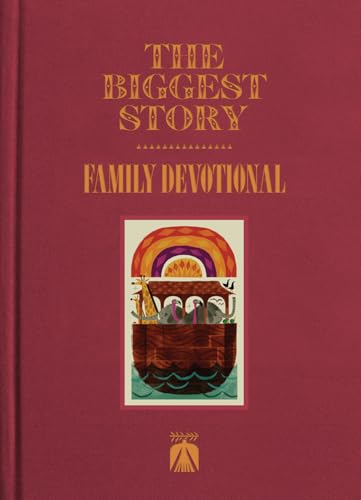
- 104 Bible stories with gospel connections
- QR codes link to animated videos
- Flexible family reading format
Best For: Families wanting a story-centered devotional for shared Bible time
Full-Spectrum Bible Curriculum
Complete Bible Based Homeschool Curriculum

- Covers 9 subjects in one program
- Built for ages 13–16
- Year-long, Bible-centered structure
Best For: Teens who need a broad academic curriculum built around Scripture
Daily Devotions for Young Kids
Our Daily Bread for Kids: 365 Meaningful Moments with God

- 365 short, daily devotions
- Kid-friendly for ages 6–10
- Includes verses, facts, and illustrations
Best For: Families wanting a gentle daily devotional for early elementary homeschool time
Family Bible Story Curriculum
The Biggest Story Curriculum, Student Workbook

- 104 lessons from Genesis to Revelation
- Includes summaries, questions, and memory verses
- Built for family time or homeschooling
Best For: Older elementary homeschoolers needing a structured Bible overview
Homeschool Planning Companion
The Homeschool Bible Parent's Planner

- Faith-based homeschool planning guide
- Reflection prompts and planning templates
- Helps organize subjects, schedules, and priorities
Best For: Parents building a values-based homeschool plan and routine
Faith-Based Preschool Starter
Christian Preschool Morning Menu

- Faith-based preschool workbook with Scripture, affirmations, and tracing
- Reusable morning menu format for binder or dry-erase sleeves
- Includes early math, calendar, weather, and character activities
Best For: Christian homeschool families with preschool and kindergarten learners
Family Bible Memory Guide

- Year-long Bible memorization plan with 30 verses over 30 weeks
- Uses repetition, copywork, recitation, and missing-word review
- Includes devotional thoughts, questions, and discussion starters
Best For: Homeschool families with children ages 6-10 who want structured Scripture memory
Theology Depth Builder

- 52-week Christian theology curriculum for ages 8-14
- Covers God, Trinity, salvation, church, and Christian living
- Includes Scripture, discussion questions, and practical application
Best For: Families and teachers who want older children to learn core Christian doctrine
Preschool Faith Start – The Magic of Childhood
If you want a christian homeschool devotional curriculum for ages 3–5, this 52-week program blends faith, nature exploration, and play-based learning into a structured preschool rhythm. It pairs weekly devotionals with flashcards, letter and number cards, and hands-on activities designed to support early literacy, numeracy, and curiosity.
Best For: Beginning homeschool families and Christian parents who want a gentle, faith-filled preschool year with nature-based learning.
Pros:
- 52-week curriculum with weekly Bible devotionals and stories
- Includes flash cards plus letter and number cards for early skill practice
- Built around nature exploration, play, and age-appropriate activities
- Designed to support parent-child connection with practical guidance
Cons:
- Focused on preschool ages 3–5, so it is not a fit for older kids
- Requires parent involvement for the hands-on weekly experience
- May feel more gentle than academic for families wanting formal instruction
This is a strong option if you want an all-in-one early childhood resource that keeps faith central without losing the joy of play. The mix of devotional content and developmental activities makes it especially appealing for families starting homeschool with a warm, flexible approach.
Interactive Bible Study – Bible Study Workbook for Kids
For families looking for a christian homeschool devotional curriculum that is interactive and age-appropriate for older elementary students, this workbook offers 52 weekly Bible lessons built around Scripture passages. It combines summaries, questions, quizzes, fill-in-the-blanks, and drawing prompts to help kids engage with the Old and New Testaments in a clear, hands-on way.
Best For: Kids ages 8–12 who learn well through activities, discussion, and guided Bible study.
Pros:
- 52 weekly lessons cover a full year of Bible study
- Includes quizzes, questions, games, and fill-in-the-blanks
- Explains Bible stories in language kids 8–12 can understand
- Supports family faith conversations through weekly use
Cons:
- It is a Bible workbook, not a full academic homeschool curriculum
- Best suited to elementary-age readers rather than teens or preschoolers
- Needs a parent or guide to get the most out of the activities
This workbook is a practical choice if you want your homeschool devotional time to feel active instead of passive. It keeps the focus on Scripture while giving kids structured ways to think, respond, and remember what they read.
Family Story Devotional – The Biggest Story Family Devotional
If your christian homeschool devotional curriculum needs to center on the unity of Scripture, this family devotional offers 104 Bible stories with simple introductions, gospel connections, and discussion prompts. It is built for flexible use at dinner, before bed, or one reading at a time, and each story also links to an animated video through a QR code.
Best For: Families with kids ages 6–12 who want a flexible, story-driven devotional they can use together.
Pros:
- 104 Bible stories from Genesis to Revelation
- Each story includes discussion questions, a prayer, and notes space
- QR codes link to animated video retellings
- Flexible format works for daily or occasional family devotions
Cons:
- Not organized as a full academic homeschool curriculum
- Best fit is family devotion time rather than independent student work
- Longer book size may feel more like a devotional library piece than a quick workbook
This is a solid pick for parents who want one resource that clearly connects Bible stories into one big story. Its flexible pacing and built-in discussion tools make it easy to adapt to real family schedules.
Full-Spectrum Bible Curriculum – Complete Bible Based Homeschool Curriculum
For older students needing a christian homeschool devotional curriculum that reaches beyond Bible time, this year-long series combines Bible study with math, science, comprehension, grammar, writing, vocabulary, philosophy, and world history. The first book begins with Creation and moves through the early biblical events, making it a faith-based option for teens who need a broad, integrated learning plan.
Best For: Homeschool families with students ages 13–16 who want a Bible-centered, multi-subject academic program.
Pros:
- Covers 9 subjects in one Bible-based curriculum
- Designed as a year-long program with 36 books planned
- Integrates biblical events with historical context
- Targets teen learners ages 13–16
Cons:
- Only the first week/book is detailed in the provided notes
- Publication date is listed as 2026, so availability may need checking
- May be more intensive than families looking for a simple devotional resource
This option stands out for families who want faith to shape the entire school day, not just devotional time. It looks best suited to parents seeking a structured, subject-rich approach for older homeschool students.
Daily Devotions for Young Kids – Our Daily Bread for Kids: 365 Meaningful Moments with God
If you want a christian homeschool devotional curriculum option that feels gentle, short, and age-appropriate, this daily devotional is a practical fit for children ages 6–10. It pairs bite-size devotions with easy-to-remember Bible verses, simple illustrations, and kid-friendly spiritual truths that can be worked into morning time or a daily Bible routine without overwhelming young learners.
Best For: Families and homeschoolers looking for a simple, non-overwhelming daily devotional for early elementary students.
Pros:
- 365 short devotions make it easy to use every day of the year.
- Kid-friendly format keeps Bible teaching accessible for ages 6–10.
- Includes easy-to-remember Bible verses and engaging facts.
- Designed to help children apply biblical truths to everyday life.
Cons:
- Best suited to younger elementary students, not older readers.
- Not a full multi-subject homeschool program.
- Families wanting deep lesson plans may need to supplement it.
This is a strong choice if your goal is consistent, manageable devotional reading that supports spiritual growth without feeling heavy or overly formal.
Family Bible Story Curriculum – The Biggest Story Curriculum, Student Workbook
If you are shopping for a christian homeschool devotional curriculum that gives older elementary students a clear overview of Scripture, this student workbook is built for family use and homeschooling. Based on 104 Bible stories from Genesis to Revelation, it organizes lessons with teaching summaries, study questions, note space, and memory verses to help kids see how the whole Bible fits together.
Best For: Homeschool families with older elementary students who want a structured, gospel-centered Bible story curriculum.
Pros:
- Covers 104 Bible stories from Genesis through Revelation.
- Includes teaching summaries, study questions, and memory verses.
- Designed for family time or homeschooling use.
- Helps children understand the unified storyline of Scripture.
Cons:
- Geared toward older elementary students, so it may be too advanced for younger children.
- Publication date is listed in the future, so availability may need checking.
- More of a Bible curriculum workbook than a broad homeschool program.
For families who want a scripture-rich resource that walks through the big story of the Bible, this workbook offers a practical and organized structure.
Homeschool Planning Companion – The Homeschool Bible Parent's Planner
The Homeschool Bible Parent's Planner: An Interactive Guide to Designing Your Ideal Home Education
Check Price On AmazonIf you need a christian homeschool devotional curriculum resource that focuses more on planning than direct lessons, this interactive guide is meant to help you build an intentional home education. It aligns with The Homeschool Bible and provides reflection prompts, planning templates, and practical activities to organize subjects, schedules, priorities, and progress in a way that fits your family.
Best For: Parents who want a faith-based homeschool planning tool to organize and shape their home education.
Pros:
- Offers reflection prompts to clarify homeschool vision and goals.
- Includes templates for subjects, schedules, and family priorities.
- Provides tools to track progress and celebrate achievements.
- Designed as a flexible, at-your-own-pace companion.
Cons:
- Not a child-facing devotional or lesson curriculum.
- Works best alongside The Homeschool Bible.
- Focused on planning, so it won’t replace instructional materials.
This planner is best if you want structure, clarity, and room to adjust as you build a more meaningful homeschool routine around your values.
Faith-Based Preschool Starter – Christian Preschool Morning Menu
If you want a gentle way to begin a christian homeschool devotional curriculum for little ones, this preschool morning workbook keeps the routine simple and faith-centered. It blends letter tracing, early math, calendar practice, Scripture, and Christian affirmations into a reusable morning menu that works well for homeschool, morning basket time, or quiet learning.
Best For: Christian homeschool families with preschool and kindergarten children who want a consistent, reusable morning routine with early learning and simple faith-based activities.
Pros:
- Combines foundational preschool skills with Bible verses and Christian affirmations
- Reusable format works with a binder or dry-erase sleeves for daily use
- Includes calendar, weather, days of the week, and character-building pages
- Designed for peaceful, consistent homeschool mornings
Cons:
- Focused on preschool and kindergarten-level work, so older children will outgrow it quickly
- More of a morning workbook than a full devotional or Bible study
This is a practical pick if you want faith-based structure without a heavy lesson load. It supports early academics while keeping God’s Word woven into the start of the day.
Family Bible Memory Guide – Writing His Word on My Heart
Writing His Word on My Heart: A Bible Memorization Curriculum for Young Children and Their Families
Check Price On AmazonFor families looking to add Scripture memory to a christian homeschool devotional curriculum, this workbook offers a structured, year-long plan. It uses repetition, recitation, copywork, and missing-word recall to help children learn 30 verses over 30 weeks, with devotional thoughts and discussion prompts included for each section.
Best For: Homeschool families and parents with children ages 6-10 who want a consistent Bible memorization plan with copywork and simple devotional discussion.
Pros:
- Built around 30 verses over 30 weeks for steady year-long progress
- Uses multiple memory methods: repetition, recitation, copywork, and recall
- Includes devotional thoughts, questions, stories, and discussion starters
- Extra coloring sheets and downloadable memory tools add variety
Cons:
- Best matched to children in the 6-10 age range, though other ages may use it
- Requires ongoing parent involvement to keep the routine consistent
This is a strong choice if you want more than verse recitation alone. It gives families a repeatable way to help children understand, copy, and talk through Scripture all school year long.
Theology Depth Builder – Systematic Theology for Kids
If you need a christian homeschool devotional curriculum with real doctrinal substance, this 52-week theology resource is built for children ready to think deeply. It covers topics like God’s nature, the Trinity, creation, sin, Jesus, salvation, the Holy Spirit, the church, and Christian living in a clear, age-appropriate format for ages 8-14.
Best For: Parents, homeschool families, Sunday school teachers, and grandparents who want children ages 8-14 to learn core Christian doctrine with clear discussion and Scripture.
Pros:
- 52-week curriculum with lessons that take about 15-20 minutes each
- Covers major theology topics in a structured, systematic way
- Includes Scripture references, discussion questions, and practical application
- Written for kids who are ready for deeper answers without theological jargon
Cons:
- Not a devotional or Bible story book, so it is more doctrinal than reflective
- Best suited for older children, not early elementary learners
This is a good fit when you want theology taught directly and clearly rather than simplified into stories. It gives older children a solid foundation for understanding who God is and how Christian doctrine connects to everyday faith.
How We Picked These Christian Homeschool Devotional Curriculum Options
We focused on resources that are age-appropriate, easy for parents to implement, and useful in real homeschool settings. Priority went to programs with clear weekly or daily structure, strong Bible content, and formats that support independent work, family time, or parent-led lessons.
We also considered whether a title helps build consistent devotional habits, not just one-off Bible activities. That matters because the best Christian Homeschool Devotional Curriculum should make it easier to stay faithful and organized over the long term.
Quick Comparison: What These Resources Do Best
Some picks are designed for preschool routines and morning basket time, while others focus on daily devotionals, workbook-style Bible study, or family discipleship. A few are broader homeschool systems that include Bible alongside academic subjects, and others target memory work, theology, or parent planning.
If you want a simple daily habit, look for devotional or memory-based options. If you want a more complete faith-centered school plan, choose a curriculum with multiple subjects or structured parent guidance.
Key Buying Factors for Christian Homeschool Devotional Curriculum
Age Range and Reading Level
Start with the child’s developmental stage. Preschool resources should lean on short readings, tracing, visuals, and repetition, while older children may benefit more from discussion questions, workbook pages, and theology themes.
Time Commitment and Flexibility
Some families need a 10-minute morning devotion, while others want a full weekly unit or daily workbook. The right fit depends on how much time you can realistically use each day and whether you want a full curriculum or a supplement.
Bible Depth and Family Use
Consider whether you want simple devotional encouragement or deeper doctrinal study. A strong Christian Homeschool Devotional Curriculum can support both, but the best choice depends on whether your goal is habit-building, Bible memory, family discussion, or structured lessons.
Parent Involvement
Some materials are designed to be mostly child-led, while others work best with parent teaching. If you are juggling multiple ages, a planner or family devotional may be easier to sustain than a highly scripted lesson set.
Who Should Buy Which Christian Homeschool Devotional Curriculum?
Families with preschoolers should look first at morning workbooks, flashcard-based routines, and gentle devotional units. Elementary-age students may do well with daily devotionals, Bible study workbooks, and memory-focused programs. Middle-grade learners often benefit from theology or family devotional resources that invite deeper conversation.
If you want one resource to anchor the whole school year, a broader Bible-based homeschool curriculum may be the best match. If your priority is building consistency, pick a daily devotional or memorization program that you can actually keep up with week after week.
In the end, the best choice is the one your family will use regularly and that helps Scripture become a natural part of your homeschool day.
