
The right recorder can simplify podcast production by combining microphone inputs, headphone monitoring, remote-call support, and reliable multitrack recording in one portable device.
These 10 picks cover solo creators, interviewers, mobile teams, and larger productions. Use the guide below to match your workflow, microphone setup, and budget with the right recorder.
Best 10 Podcast Recorders for Podcasts Picks for 2026
Best for Multi-Person Shows

- Four XLR inputs with phantom power
- Four headphone outputs with separate volume controls
- Phone, USB, and remote-interview support
Best For: Multi-host podcasts and interview shows
Best for Flexible Recording

- Built-in stereo microphones
- Two XLR/TRS inputs for external gear
- USB-C and SD-card recording options
Best For: Podcasters who also record music, video, and field audio
Best for Assisted Podcast Mixing

- Four XLR inputs and headphone outputs
- AI noise reduction, Tone Enhancement, and COMP
- Direct phone connection for video audio
Best For: Group podcasts with streamlined audio processing
Best for Expandable Field Audio
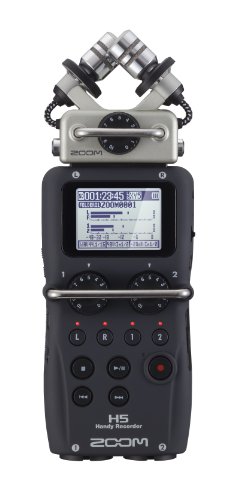
- Interchangeable input capsule system
- Two XLR/TRS inputs with phantom power
- Four-track and USB interface operation
Best For: Mobile creators working across podcasts, film, and music
Best for Two-Person Simplicity

- Two USB mic inputs and two headphone outputs
- Mix-Minus for echo-free remote guests
- AI noise reduction and battery-powered operation
Best For: Two-person podcasts and portable recording
Best Flexible Field Recorder

- Two XLR/TRS combo inputs
- 32-bit/96kHz recording with waveform display
- SDXC support up to 1TB
Best For: Interviews and location recording with external microphones
Best for Large Podcast Panels

- Six mic inputs and six independent headphone outputs
- Up to 13-track recording directly to SD card
- Touchscreen editing and assignable sound pads
Best For: Panel shows and multitrack studio podcast production
Best Compact Multitrack Setup

- Four XLR inputs with phantom power
- Four independent headphone outputs
- Includes two ZDM-1 Podcast Packs
Best For: Small interview shows, co-hosted podcasts, and portable multitrack recording
Best Complete Podcast Bundle

- Four XLR inputs with up to +70 dB gain
- Individual control for four headphone outputs
- Includes microphones, headphones, cables, windscreens, and stands
Best For: Two-person podcasts, interviews, and ready-to-use recording setups
Best for Multi-Person Shows – PodTrak P4 Podcast Recorder
For creators comparing podcast recorders for podcasts, the Zoom PodTrak P4 is designed around in-person shows with several speakers. It combines four XLR microphone inputs, four individually controlled headphone outputs, multitrack recording, and options for phone or USB-based remote guests.
Best For: Multi-host podcasts, interview shows, and portable recordings with up to four microphones.
Pros:
- Four XLR inputs with phantom power support multiple microphones.
- Four headphone outputs include individual volume controls.
- Automatic mix-minus supports phone and remote interviews.
- Battery-powered operation and programmable sound pads suit mobile recording.
Cons:
- Battery life is listed at up to 3.5 hours on two AA batteries.
- Its feature set is focused on podcast production rather than general handheld field recording.
The P4 is a practical choice when everyone needs a microphone and a headphone feed. Its dedicated podcast connections make it especially convenient for group discussions and call-in guests.
Best for Flexible Recording – Zoom H4 Essential Recorder
The Zoom H4 Essential is a versatile option for shoppers seeking podcast recorders for podcasts that can also handle music, video audio, interviews, and field work. Its built-in stereo microphones work alongside two XLR/TRS inputs, while USB-C connectivity allows recording or streaming to a compatible device.
Best For: Podcasters who also record live performances, interviews, video audio, or field recordings.
Pros:
- Built-in stereo microphones provide a ready-to-use recording setup.
- Two XLR/TRS inputs accommodate external microphones, instruments, mixers, or soundboards.
- Four-track recording supports larger projects.
- USB-C recording or streaming can be paired with backup recording to an SD card.
Cons:
- It offers two XLR/TRS inputs rather than four dedicated microphone inputs.
- It requires two AA batteries for portable operation.
Choose the H4 Essential if you want one recorder for podcasting and broader creative work. The built-in microphones and external-input flexibility make it less specialized than a dedicated multi-mic podcast console.
Best for Assisted Podcast Mixing – PodTrak P4next
The Zoom PodTrak P4next is built for creators who want podcast recorders for podcasts with streamlined audio assistance. It provides four XLR inputs, four separately controlled headphone outputs, multitrack recording, and AI noise reduction, Tone Enhancement, and COMP tools for shaping the mix.
Best For: Group podcasts and video creators who want four microphones plus built-in audio-enhancement tools.
Pros:
- Four XLR inputs support up to four people and a call-in guest.
- Up to +70 dB of gain accommodates demanding microphones.
- AI noise reduction, Tone Enhancement, and COMP simplify audio processing.
- Four headphone outputs let each participant monitor independently.
Cons:
- It requires two AA batteries for portable use.
- The supplied recording time is listed as 510 minutes.
The P4next is a strong fit when multiple speakers need comfortable monitoring and the workflow benefits from assisted processing. Its phone connection can also send podcast audio directly into video without a separate sync step.
Best for Expandable Field Audio – Zoom H5 Recorder
The Zoom H5 is a flexible choice among podcast recorders for podcasts when you also need a portable recorder for filmmaking, music, or location work. Its interchangeable capsule system, detachable X/Y microphone capsule, two XLR/TRS inputs, and four-track recording support a range of setups.
Best For: Mobile creators who want interchangeable microphones and a recorder that can serve podcast, film, and music projects.
Pros:
- Interchangeable input capsules allow the recording setup to be changed.
- Detachable shock-mounted X/Y microphones help reduce handling noise.
- Two XLR/TRS inputs include selectable phantom power and a -20 dB pad.
- It works as a multichannel or stereo USB audio interface for PC, Mac, or iPad.
Cons:
- It has two external mic inputs rather than four.
- Recording to SD/SDHC cards is specified up to 32GB.
The H5 makes sense for podcasters who value adaptability more than an all-in-one group podcast layout. Its capsule system and USB interface add usefulness for location recording and audio-for-video work.
Best for Two-Person Simplicity – Zoom PodTrak P2
If you want podcast recorders for podcasts that keep a two-person setup simple, the Zoom PodTrak P2 is built around two USB microphone inputs and two headphone outputs. It can also record separate tracks to an SD card while streaming to a smartphone or computer.
Best For: Two-person podcasts, portable recording, and creators who want built-in processing with minimal setup.
Pros:
- Two USB mic inputs and two headphone outputs simplify co-host recording.
- Mix-Minus helps eliminate echo and feedback for remote call-in guests.
- AI noise reduction, tone shaping, compression, and de-essing can reduce post-production work.
- Runs on four AA batteries for up to four hours, with USB and AC power options.
Cons:
- Its two-mic input layout is less suited to larger panels.
- Battery life is listed at up to four hours.
The P2 is a practical choice when portability and a straightforward two-person workflow matter more than expanding to many microphones.
Best Flexible Field Recorder – Zoom H1 XLR
For podcasters who need flexible connections, the Zoom H1 XLR combines two XLR/TRS inputs with 32-bit/96kHz recording. Its compact design, waveform display, and support for SDXC cards up to 1TB make it a versatile option among podcast recorders for podcasts.
Best For: Interviews, location recording, and podcasters using XLR microphones, instruments, or other external sources.
Pros:
- Two XLR/TRS combo inputs accommodate microphones, instruments, and other sources.
- 32-bit/96kHz recording is designed for detailed, clip-free audio capture.
- OLED waveform display provides a quick view of recording levels.
- Supports SDXC cards up to 1TB and offers up to 10 hours of battery life from two AA batteries.
Cons:
- It provides two input channels rather than a larger multichannel setup.
- The supplied details specify AA battery power but no built-in podcast-specific processing.
The H1 XLR makes sense for creators who prioritize adaptable inputs and high-resolution recording in a small recorder rather than an all-in-one podcast production console.
Best for Large Podcast Panels – Zoom PodTrak P8
For larger productions, the Zoom PodTrak P8 offers six microphone inputs, six independent headphone outputs, and recording of up to 13 tracks directly to an SD card. It is a strong fit among podcast recorders for podcasts that involve multiple hosts, guests, and live production elements.
Best For: Panel shows, studio podcasts, and teams that need individual headphone mixes and multitrack recording.
Pros:
- Six preamps provide up to 70 dB of gain for dynamic and condenser microphones.
- Six individually controlled headphone outputs help each participant monitor comfortably.
- Records up to 13 tracks simultaneously without requiring a computer.
- Mix-Minus call-ins, touchscreen editing, and assignable sound pads support live production.
Cons:
- At 5.78 pounds, it is substantially heavier than the smaller recorders in this roundup.
- The bundle’s Bluetooth option requires the separately sold Zoom BTA-2 receiver.
- Its extensive controls may be more than a small two-person show needs.
The P8 is the most capable choice here for a growing podcast operation that needs many microphones, separate monitoring, and hands-on episode production from one unit.
Best Everyday Recorder – Zoom H1 Essential
For creators seeking podcast recorders for podcasts that are compact and easy to use, the Zoom H1 Essential offers stereo recording for interviews, conversations, voiceovers, and other content. Its USB-C microphone mode also supports calls, livestreams, and computer or mobile recording.
Best For: Solo podcasters, interview recording, voiceovers, and mobile content creation.
Pros:
- 32-bit float recording helps provide clip-free audio.
- Built-in X/Y stereo microphones capture natural-sounding voices and ambience.
- Works as a USB microphone and offers up to 10 hours of battery life.
Cons:
- Its stereo microphone design is less suited to multi-person podcast setups requiring separate XLR inputs.
- Uses two AAA batteries.
The H1 Essential is a straightforward portable choice when you want better sound than a phone or camera without setting up a full podcast studio. It is particularly practical for one-person recording and on-location work.
Best Compact Multitrack Setup – Zoom PodTrak P4 Bundle
Zoom PodTrak P4 Portable Multitrack Podcast Recorder Bundle with 2X Zoom ZDM-1 Podcast Pack
Check Price On AmazonThe Zoom PodTrak P4 is built for podcasters who need multiple microphones and guest monitoring in a portable recorder. This bundle includes two Zoom ZDM-1 Podcast Packs, while the recorder adds four high-gain XLR inputs, sound pads, and support for call-ins.
Best For: Small interview shows, co-hosted podcasts, and portable multitrack recording.
Pros:
- Four XLR microphone inputs with +48V phantom power.
- Four independent headphone outputs for guest monitoring.
- Supports simultaneous TRRS and USB call-ins.
- Includes two ZDM-1 Podcast Packs.
Cons:
- The supplied notes do not specify battery life or included storage capacity.
- It is more involved to set up than a simple stereo handheld recorder.
For podcast recorders for podcasts involving guests or co-hosts, the P4 bundle provides a more complete starting point than a basic handheld unit. Its combination of four inputs, headphone outputs, and included microphone packs supports a practical multi-person workflow.
Best Complete Podcast Bundle – Zoom PodTrak P4next Kit
For creators comparing podcast recorders for podcasts with several participants, the Zoom PodTrak P4next bundle combines a multitrack recorder with two microphone packs, headphones, windscreens, XLR cables, and tabletop stands. AI noise reduction, voice compression, and tone shaping are included for a more polished recording workflow.
Best For: Two-person podcasts, interview setups, and creators who want a ready-to-use recording kit.
Pros:
- Four XLR inputs provide up to +70 dB of gain and 48V phantom power.
- Four headphone outputs have individual volume controls.
- Bundle includes two microphones, headphones, windscreens, cables, and desktop stands.
- Supports battery, USB, or AC power for flexible recording locations.
Cons:
- The full bundle is bulkier than a recorder-only setup.
- Battery operation is listed at approximately 3.5 hours.
The P4next kit is a strong all-in-one option for new or growing shows. It reduces the need to source compatible accessories separately while retaining the inputs and monitoring controls needed for multi-person podcast production.
How We Picked the Best Podcast Recorders for Podcasts
We focused on the features that have the biggest effect on real-world podcast production: input count and type, headphone monitoring, multitrack capability, portability, remote-interview support, onboard processing, and ease of use. The selection includes dedicated podcast stations such as the PodTrak line as well as handheld recorders that suit field interviews, video production, and solo recording.
We also considered expandable bundles. A recorder may be a better value when it includes microphones, headphones, windscreens, or a card reader, particularly for first-time creators building a complete setup.
Quick Comparison
| Best For | Look For |
|---|---|
| Solo podcasters | Simple controls, USB connectivity, and one or two microphone inputs |
| Two-person interviews | Two XLR or USB inputs and independent headphone monitoring |
| Remote interviews | Phone or USB call integration, mix-minus, and separate track recording |
| Small podcast teams | Four or more inputs, multiple headphone outputs, and sound pads |
| Mobile and field recording | Compact design, battery operation, built-in microphones, and rugged handling |
| Large productions | Expanded input capacity, multitrack recording, and flexible routing |
Key Buying Factors for Podcast Recorders
Inputs and Microphone Compatibility
Count how many people may speak at once, then check whether the recorder supports your microphones. XLR inputs suit traditional dynamic and condenser microphones, while USB inputs can simplify computer-free setups. Leave room for growth if you expect to add cohosts or guests.
Headphone Outputs and Monitoring
Every participant should be able to hear the conversation clearly. Multiple independent headphone outputs are especially useful for in-person interviews. Also check whether the recorder provides separate level controls and low-latency monitoring.
Remote Calls and Multitrack Recording
For phone or computer guests, look for call integration and mix-minus features that help prevent echo. Multitrack recording preserves each voice on a separate file, making it easier to correct volume differences and edit mistakes.
Portability, Power, and Noise Control
Battery operation and a compact body matter for field interviews, travel, and video shoots. AI noise reduction can help in imperfect environments, but microphone placement and room acoustics still have a major effect on sound quality.
Who Should Buy Which Podcast Recorders for Podcasts?
Choose a two-input model if you record alone or with one guest and want the simplest workflow. Choose a four-input PodTrak-style recorder for panel discussions, multiple microphones, and frequent remote interviews. Choose a larger podcast station if your production needs several headphone feeds, sound effects, or more hands-on routing.
Choose a handheld recorder when portability is more important than dedicated podcast controls. These models are useful for field interviews, filmmaking, music, and creators who want one device for multiple jobs. Finally, consider a microphone bundle if you are starting from scratch; it can reduce setup costs and ensure the included equipment works together.